Security Cameras in Cold Weather
A heated camera housing or active de-icing element can push a camera from PoE class 3 to class 4, doubling its switch allocation from 15.4 watts to 30 watts. A switch sized exactly for class 3 cameras will run out of budget and shed ports once heaters engage, which is why camera failures cluster on the coldest nights.
Camera systems tend to fail in the coldest part of the year, and that is not a coincidence of bad luck. Cold weather changes the actual electrical load a system draws, it degrades battery capacity in wireless cameras, and it stresses housings and cable jackets that were never a problem in warmer months. Understanding what specifically changes lets a system get sized for winter instead of getting caught by it.
| Condition | Class | Standard | Switch reserves per camera |
|---|---|---|---|
| Heater and de-icing idle | 3 | 802.3af | 15.4 W |
| Heater or de-icing active | 4 | 802.3at | 30.0 W |
| Cameras | Class | Total switch budget needed |
|---|---|---|
| 8 | 3 (idle) | 123.2 W |
| 8 | 4 (heaters active) | 240.0 W |
Why winter is when systems fail, not summer
A system running comfortably within its power and network budget in warm weather can be running right at the edge of that same budget once temperatures drop, without a single camera being added or a single cable being touched. The load itself changes with the weather, and a switch or UPS that was sized against summer numbers is being sized against the wrong season.
Heaters push a class 3 camera to class 4
A camera with a heated housing or an active de-icing element for its lens draws meaningfully more power once that heater engages. Under IEEE 802.3, that can move a camera from class 3, which reserves 15.4 watts on the switch under 802.3af, to class 4, which reserves 30 watts under 802.3at. That is not a small adjustment; it is a doubling of the switch budget that single camera requires.
Multiply that across a system. Eight class 3 cameras need 123.2 watts of switch budget in mild weather. The same eight cameras, with heaters engaged, need 240 watts. A switch purchased to cover the first number with a comfortable margin can be well short of the second.
What happens when the switch runs out of budget
A PoE switch that runs out of power budget does not damage a camera or itself. It sheds ports, typically the highest numbered port first, or the lowest priority port on a switch that supports priority settings, and it does this quietly. From the recorder's side, a shed port looks exactly like a camera that stopped responding, which sends a lot of people troubleshooting the wrong half of the system on the coldest night of the year, exactly when a working system matters most.
Battery cameras lose real capacity in the cold
A wireless camera running on its own battery loses genuine usable capacity in cold temperatures; this is a real limitation of battery chemistry generally and not a defect in any particular camera. A battery that comfortably lasts weeks in mild weather can need charging far more often once temperatures drop well below freezing. This is a real tradeoff of the wireless path, not a flaw specific to one brand, and it is worth factoring into any decision between a wired PoE camera and a battery camera for a location that gets seriously cold.
Check a specific camera's own published cold weather guidance before relying on it through a hard winter. Do not assume any particular runway of days without confirming it against that camera's own listing.
Condensation when a cold camera meets warm, humid air
Moving a camera or housing from a warm garage into cold outdoor air, or the reverse, can cause condensation to form on internal surfaces even inside a properly sealed unit, the same way a cold drink sweats indoors. This is normal and usually temporary, but a housing with a compromised seal will trap that moisture rather than let it dissipate, which turns a minor condensation event into a lasting fog on the lens or, worse, moisture reaching the electronics.
Checking a setup before the coldest night, not after
Before the season's first hard freeze, check the winter PoE class of every camera with a heater or de-icing feature against the switch's actual spare budget, not its budget as it sits with heaters idle. A PoE power budget calculator run with winter classes rather than summer ones catches a shortfall before it becomes a dark camera during a storm.
- Recalculate the PoE budget using each heated camera's winter class, not its idle class
- Charge battery cameras fully going into the coldest stretch and check them more often than in mild weather
- Inspect housing seals for cracking before the first freeze, since cold makes brittle polycarbonate and rubber seals more likely to fail
What actually degrades in cold versus what does not
Cable jackets stiffen and become more prone to cracking at connection points in deep cold, and cheaper plastic housings can become brittle enough to crack under an impact that would not have damaged them in summer. The camera's image sensor and lens optics themselves are not meaningfully affected by cold within any range a manufacturer publishes as its operating range; the failures that show up in winter are overwhelmingly power, battery and housing related rather than optical.
The gear that matches this answer
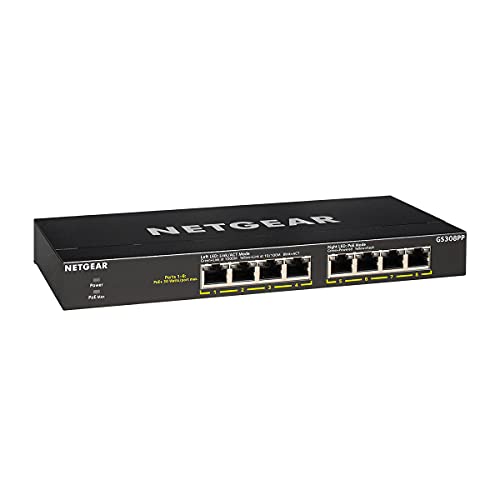
NETGEAR 8-Port PoE Gigabit Ethernet Unmanaged Network Switch GS308PP
$69.99An 83 W budget across eight PoE ports, which carries six to eight class 3 cameras with the headroom that stops a switch shutting a port down on a cold night when the heaters run.
- PoE ports
- 8
- PoE budget
- 83 W
- PoE standard
- 802.3af/at
Prices change often.

TP-Link TL-SG1218MP 16 Port Gigabit PoE Switch
$169.99A 192 W budget in a rack mount body, for a system where PTZ cameras and heaters push several ports into class 4.
- PoE ports
- 16
- PoE budget
- 192 W
- PoE standard
- 802.3af/at
Prices change often.

APC BE650G1 Battery Backup 650VA 390W Uninterruptible Power Supply
$109.99APC publishes both the VA and the watt rating on this one, and the watt figure is the only one that lets you compute a real runtime.
- Rating
- 650 VA
- Output
- 390 W
Prices change often.
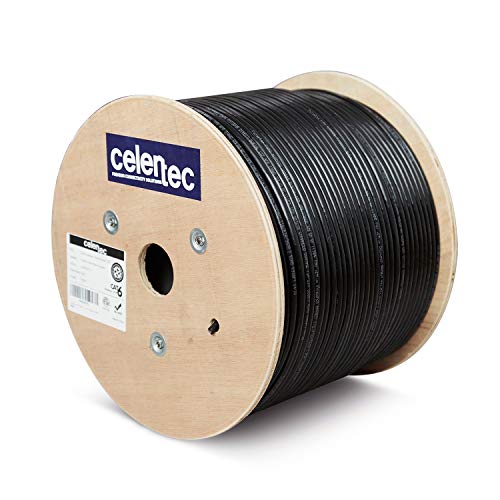
celertec CAT6 Outdoor Cable, 1000ft, 23AWG Solid Bare Copper, Unshielded
$219.99Solid bare copper at 23AWG for noticeably less than the TRUE CABLE equivalent, for outdoor runs that are not being buried.
- Cable category
- Cat6
- Conductor gauge
- 23 AWG
- Conductor
- Solid bare copper
- Length
- 1000 ft
Prices change often.

eufy Security SoloCam S340, 3K Dual-Lens Solar Security Camera
$159.99Solar charged with local storage on the camera, so it needs neither a cable nor a subscription, which is the only wireless configuration this site recommends without reservation.
- Power
- Solar and battery
- Storage
- On camera
Prices change often.
Common questions
Why did my cameras start dropping only once it got cold outside?
A heated housing or de-icing feature can move a camera from PoE class 3 to class 4, doubling the switch budget it needs from 15.4 to 30 watts. A switch sized for the idle, class 3 load has no spare capacity once heaters engage across several cameras at once, and it sheds ports rather than failing loudly.
How much battery life do wireless cameras actually lose in the cold?
The exact figure varies by camera and by how cold it gets, and it should never be assumed without checking that specific camera's own published cold weather guidance. What is consistent across battery chemistry generally is that usable capacity drops meaningfully in cold temperatures, so a battery camera relied on through a hard winter deserves more frequent charging than the same camera in mild weather.
Should I switch from battery cameras to wired PoE cameras for a cold climate?
A wired PoE camera avoids the cold weather battery capacity loss entirely, since it draws continuous power over the cable rather than from a battery. That makes it the more reliable option for a location that sees hard winters, provided the switch supplying it has enough spare budget for the higher class the camera may draw once its heater engages.
Can cold weather actually damage a camera housing?
Cheaper plastic housings and cable jackets can become brittle in deep cold and are more prone to cracking under an impact that would not damage them in summer. This is a materials issue rather than an electronics issue: the camera's sensor and lens are not meaningfully affected by cold within a manufacturer's stated operating range.
Is condensation inside a camera housing in cold weather a sign of a bad seal?
Not necessarily on its own. Moving a camera between warm and cold, humid air can cause temporary condensation even in a properly sealed housing, similar to a cold drink sweating indoors. It becomes a real problem when a compromised seal traps that moisture instead of letting it dissipate, so persistent fogging that does not clear is the sign worth investigating.
Get the system planning sheet
The camera count, storage and PoE budget worksheet, plus the wiring checklist, as one printable page.
Keep going
Before you point a camera at anything. Aim cameras at your own property and your own boundary, never into a neighbour's windows or across their garden. Cameras in bedrooms, bathrooms, or anywhere else a person reasonably expects privacy are a serious legal problem, and that includes guests, lodgers and anyone who works in your home. Audio is legally different from video, many US states require the consent of every party to a recorded conversation, and several recorders capture audio by default, so check your own state before you enable it. Some places require visible notice that recording is taking place, and landlords and homeowner associations often impose their own rules on top. This is researched general information and not legal advice, and the law varies by state and by country.
And once it is installed. Change every default password, keep the firmware updated, and be clear with yourself about where the footage goes: a cloud camera means a third party holds recordings of your home, while a local recorder keeps them in your house. That is a genuine buying consideration, not a technicality.
Recalculate the PoE budget with winter classes before the first hard freeze, not after a camera drops during one.